
Fruit cups and spears · 2 recipes
Tizon on fruit: mango, cucumber, watermelon, jicama
Cold, sweet, wet fruit is where a chile-lime powder makes the most noise. Here is how to get it to stick and how much to use.
Chile-lime powder
On popcorn, fruit, corn and wings · 5.25 oz


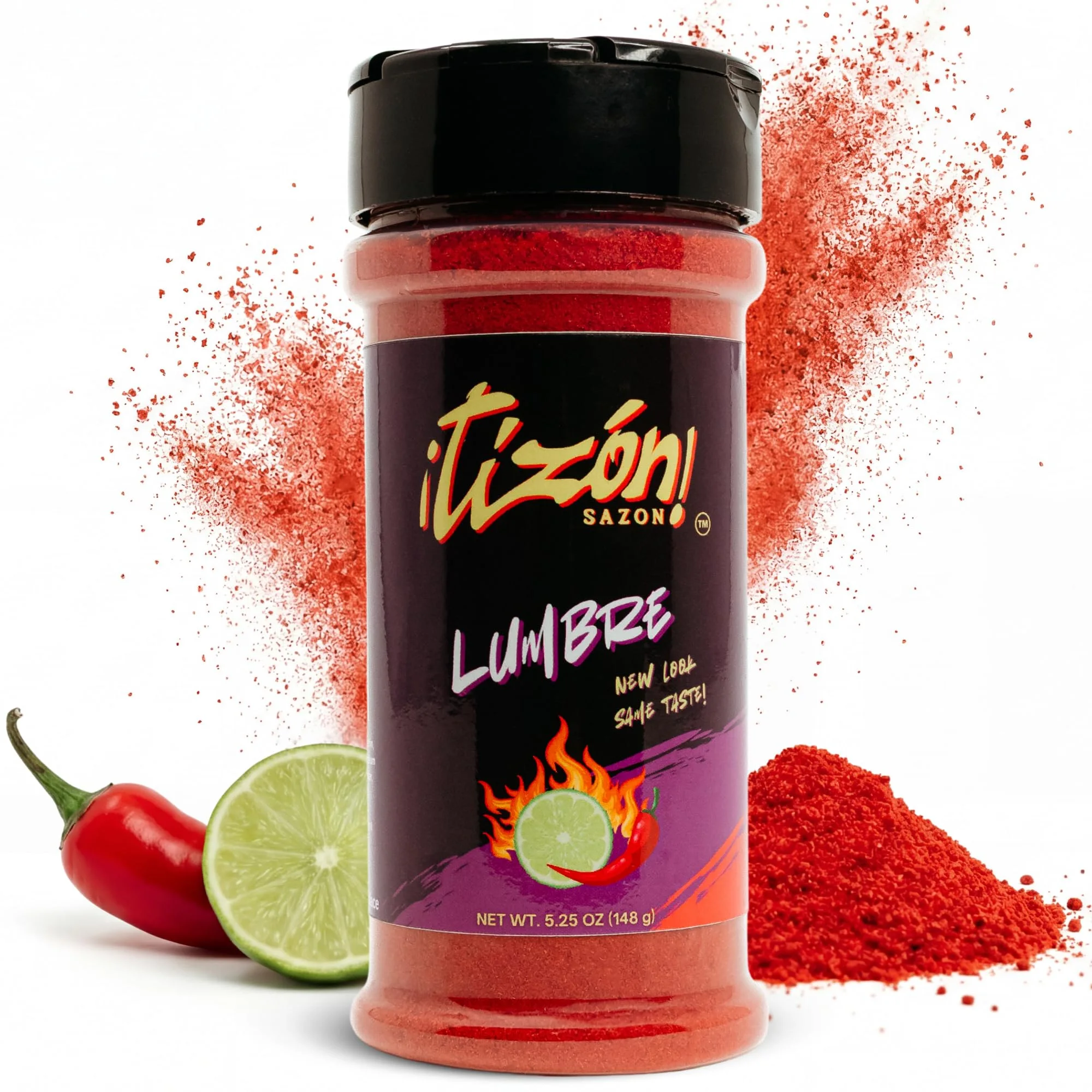
Made with Lumbre Fuego Seasoning
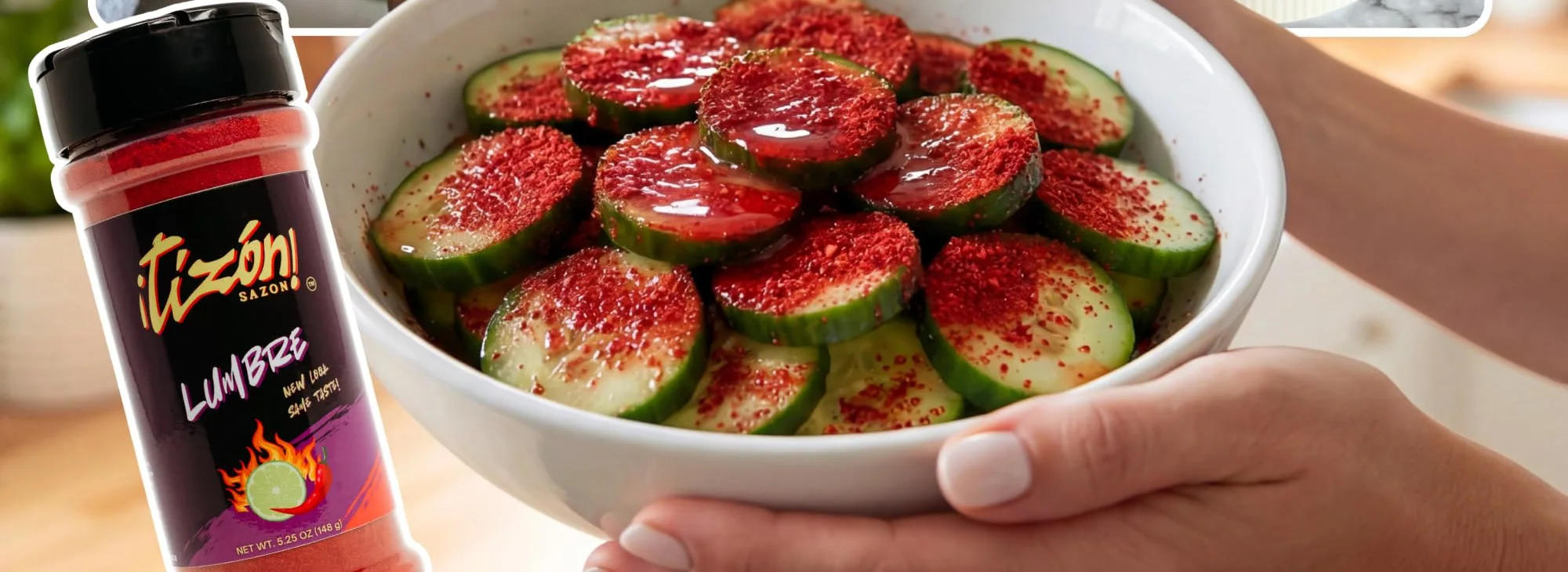
Sweet fruit carries a lot of water, and that water is both your friend and your problem. A little moisture is what holds the powder on a mango cube. Too much turns it into red syrup at the bottom of the cup. Cut the fruit, let it sit on a towel for a minute, then squeeze lime and shake.
Firm fruit takes the powder best. Mango that is ripe but still holds its shape, cucumber, jicama and watermelon cut into thick sticks all work. Banana and berries get mushy under the lime and are better left plain.
Wash fruit and cucumbers under running water before you cut them, the way the FDA advises, and keep cut fruit in the fridge until you serve it. A fruit cup made at noon and eaten after dinner should spend the afternoon cold.
The pepino preparado and the chile-lime mango cup above start from the Tizon catalog and what you already have at home.
About two grams for a heaping cup: one light shake on top, a stir, and one more shake. Taste before the third shake, because the citric acid in the powder adds its sour on top of fresh lime juice.
Either the fruit is too dry or too wet. Squeeze lime over the cubes first so there is a thin film of juice, then shake. If the cup is swimming, drain it before you season.
Cut and chill the fruit the night before, but shake the powder on right before you eat. Overnight the salt pulls water out of the fruit and the cup goes soft.